
What Is Roof Underlayment and Why Does It Matter?
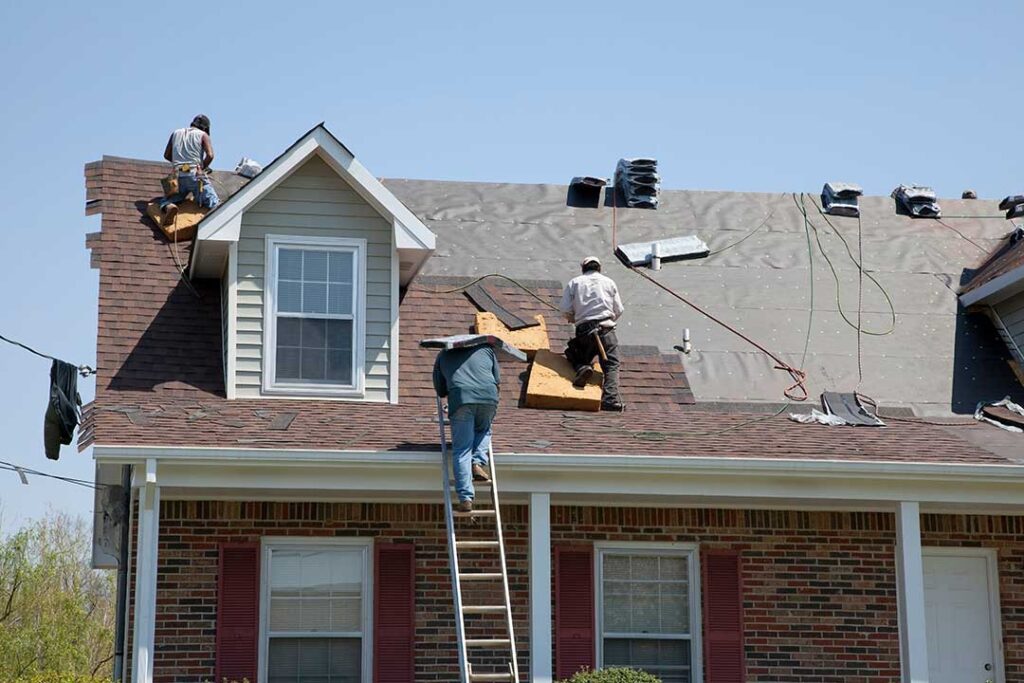
Roof underlayment is the protective barrier installed between your roof deck and the shingles you see from the street. It’s a critical but often invisible layer that shields homes in South Glens Falls, NY from water, ice, and wind-driven rain—factors especially relevant with the region’s mix of snowy winters and summer thunderstorms. This material is not visible once the roofing is complete, but its presence can significantly affect how well your roof stands up to local weather.
What Types of Roof Underlayment Are Used on Homes in South Glens Falls?
Local homes usually use one of three types: asphalt-saturated felt (often called tar paper), synthetic underlayment, and rubberized asphalt. Each has distinct characteristics:
- Asphalt-Saturated Felt: This traditional type is relatively affordable and offers moderate protection against moisture but can wrinkle or degrade over time, especially in the region’s freeze-thaw cycles.
- Synthetic Underlayment: Made from engineered polymers, this kind is lightweight, resistant to mold and tearing, and better at shedding water—useful for homes facing heavy snow or wind.
- Rubberized Asphalt: Provides superior waterproofing and is often chosen for vulnerable areas like roof valleys and eaves. It tends to cost more, but it’s a favorite for ice dam protection along the perimeter where winter ice buildup is a concern.
Most local homes will have a combination, with enhanced underlayment in places most likely to see ice or standing water.
How Does Underlayment Protect Against Local Weather Challenges?
South Glens Falls experiences cycles of snow, rain, and dramatic temperature swings. Underlayment acts as a backup layer that keeps water from leaking through to your attic or living space if shingles are damaged or wind-driven rain finds a way past the surface material. During spring thaws or heavy summer downpours, this layer catches water before it can do much harm.
A common misconception is that shingles alone keep a home dry. In reality, underlayment blocks moisture from:
- Ice dams forming on eaves and forcing meltwater beneath shingles
- Wind-driven rain during thunderstorms
- Water tracking backward under flashing, especially in valleys and around chimneys
Is Underlayment Required by Building Codes in the Area?
Yes. Residential roofing in South Glens Falls must comply with New York State building codes, which require underlayment beneath most roofing materials. Local inspectors will look for appropriate layers, especially on new homes, additions, or complete re-roofing projects. The rules may also specify the type, overlap, and how far up the roof ice and water shield should extend, considering local snow loads.
If you’re planning repairs or improvements, understanding these requirements avoids issues during inspections and helps ensure your home stays protected according to regional standards.
How Long Does Roof Underlayment Last, and Should It Be Replaced?
Underlayment can last as long as a roof’s shingles under normal conditions, but its durability varies by material. Synthetic underlayments tend to have a longer life than asphalt felt. Ice and water shield products can work for decades if undisturbed. In South Glens Falls, repeated ice dams, attic leaks, or wind damage might shorten its lifespan, especially on older homes.
It’s smart to ask about the condition of this layer when replacing shingles or repairing storm damage. Signs that replacement is needed can include water stains in the attic, wrinkling, or brittle felt if an existing roof covering is removed.
Common Questions from Local Homeowners
Can underlayment prevent roof leaks on its own?
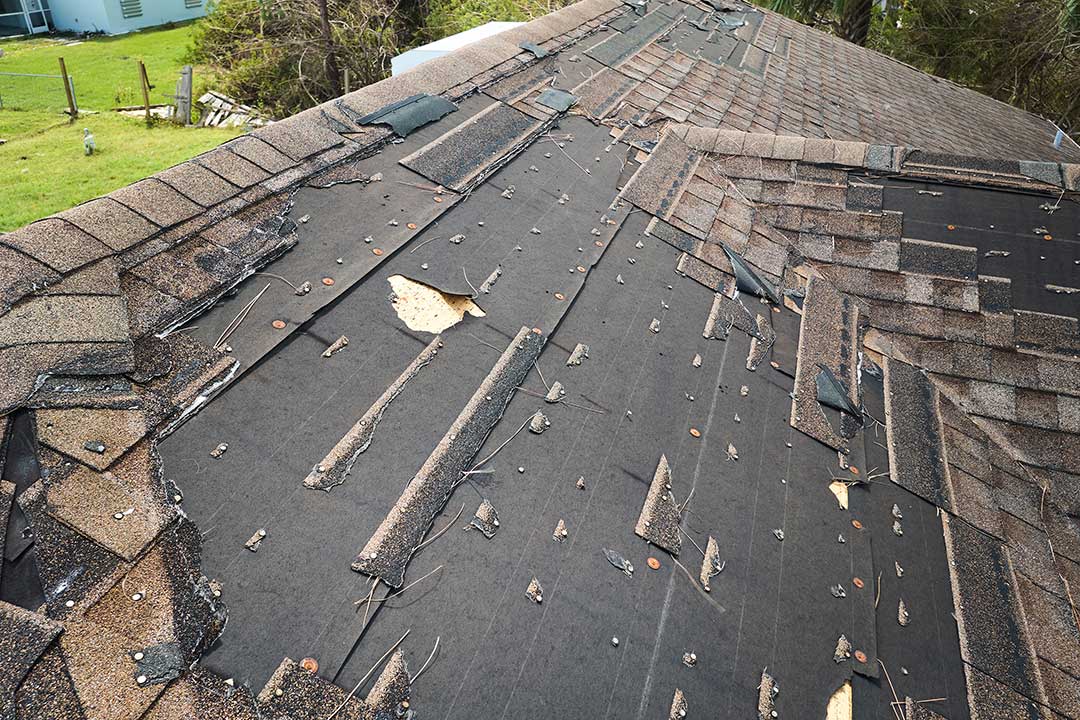
Not entirely. While it is a vital backup, its main job is to limit leaks when the outer roofing is damaged or ice dams force water underneath shingles. It is not a replacement for the main roofing layer.
Is synthetic underlayment worth the extra cost?
For many area households, synthetic options provide better durability, mold resistance, and tear strength—advantages under snow and freeze-thaw cycles. The choice depends on budget, slope of the roof, and home age, but it’s becoming increasingly popular in the community.
Does underlayment help with energy efficiency?
While underlayment is not a primary insulator, preventing moisture buildup in the attic can protect insulation performance and help maintain indoor temperatures. Moisture trapped in the attic reduces insulation effectiveness and can promote mold, especially after heavy snows or summer storms.
What about metal roofs or unique materials?
Every roof material requires underlayment, but the type and installation can differ. Metal roofs, for example, often rely on underlayment for both moisture protection and to prevent condensation issues.
Examples of Overlooked Underlayment Issues
Local homes sometimes face problems when roofing work skips or skimps on underlayment, especially during re-roofing. Issues like:
- Water leaks from improperly lapped seams near roof edges
- Early failure of attic insulation from undetected moisture seeping under loose shingles
- Ice dams overwhelming the eave underlayment if less than the recommended width is installed
Awareness of these risks makes it easier to ask the right questions during home repairs or improvement projects.
What Should Residents Know When Assessing Roof Underlayment?
Residents do not need to remove roofing to check underlayment, but there are clues if trouble is brewing. Water stains or musty odors in the attic; shingle patches that regularly ice over; or small drips after storms can all hint at issues below the surface. During routine maintenance or after a significant storm, a careful attic inspection and a review of any visible roof edges can provide peace of mind.
