

How Do Local Animals Cause Roof Problems?
Animals frequently interact with residential roofing in South Glens Falls, NY, and their activities can impact the lifespan and dependability of a roof. Squirrels, raccoons, birds, bats, and even smaller creatures like mice and insects may contribute to roof wear in subtle ways.
For example, squirrels commonly gnaw on shingles, flashing, and wooden soffits to access attic spaces, especially as cooler weather arrives in the fall. Birds may nest under eaves or inside attic vents, while raccoons sometimes pry up shingles or tear at roof decking in search of shelter or food. Over time, these patterns of activity can result in leaks, structural damage, or compromised insulation.
Which Animals Are Most Commonly Involved?
Several species impact roofs in this region, each with unique behaviors:
- Squirrels: Agile and persistent, they routinely search for entry points near vents, chimneys, and roof edges. Their gnawing can penetrate wood and soft roofing materials.
- Raccoons: Known for their strength, raccoons can lift and displace shingles or break through weak soffits.
- Birds: Pigeons, sparrows, and starlings may build nests in gutters, vent pipes, or beneath tiles, leading to blocked drainage or water backup.
- Bats: Typically enter through small gaps in soffits or attic vents, where they roost and leave droppings, which may promote wood rot.
- Mice and Rats: Often squeeze through tiny cracks in fascia or flashing. Their nesting can attract larger predators or amplify moisture problems.
How Do Animals Affect Roof Structure and Materials?
Animal activity affects different roof components in varied ways:
- Shingles and Flashing: Persistent claws or teeth wear down shingles, especially asphalt or wood shakes. Chewed flashing allows moisture into vulnerable joints.
- Soffits and Fascia: Attacks on wood, vinyl, or aluminum trim provide entry points. Repeated gnawing or prying may eventually cause those parts to detach, exposing rafters.
- Attic Insulation: Animals nesting inside attics tend to compact or displace insulation, reducing its effectiveness and potentially driving up heating costs during cold Adirondack winters.
- Roof Decking: Urine and waste from infestations (especially by bats or rodents) can soak into wooden decking, weakening its structure and even causing health concerns such as mold or airborne pathogens.
What Are Signs of Animal-Related Roof Damage?
Homeowners sometimes mistake animal-related roof issues for ordinary weathering or storm damage. Telltale signs include:
- Unusual scratching, scurrying, or chirping noises, especially at dawn or dusk
- Shingle or soffit sections that appear gnawed, frayed, or torn up
- Accumulation of debris or nesting materials in gutters or at downspouts
- Discolored ceiling spots or sudden musty odors inside the home (may indicate water intrusion or animal waste inside the attic)
- Visible droppings or greasy tracks around roof vents or attic entry holes
How Does Local Climate Make the Problem Worse?
The seasonal climate shifts in South Glens Falls create ideal conditions for animal intrusions. Colder fall and winter months drive wildlife to seek warmth and shelter; local homes with mature trees or older roofs often present easier opportunities. Wet springs contribute to increased insect activity, which in turn attracts birds and rodents looking for food sources near rooflines.
During heavy snowfall, roof vents and attic entry points may be hidden under drifts, making it harder for residents to spot early warning signs. Icy conditions can also force raccoons and squirrels to search for alternative routes inside when their usual outdoor food sources dwindle.
Are There Any Common Misconceptions About Animals and Roofs?
Some residents assume animal damage is mostly limited to rural homes, but homes across the community—regardless of density—can be affected. Another myth is that only large animals (like raccoons) cause real harm; in fact, the persistent chewing of mice or the nesting of small birds is a leading cause of moisture infiltration in area attics.
It’s also easy to underestimate the speed with which small breaches from animal activity can lead to bigger issues. Even a finger-width gap opened by a squirrel can allow months of rainwater to seep into insulation, insulation, or electrical systems, causing far more costly repairs over time.
What Preventive Steps Reduce Animal-Related Roof Risk?
Reducing interaction between animals and roofing starts with awareness and routine maintenance:
- Trim back tree limbs to prevent easy access from branches
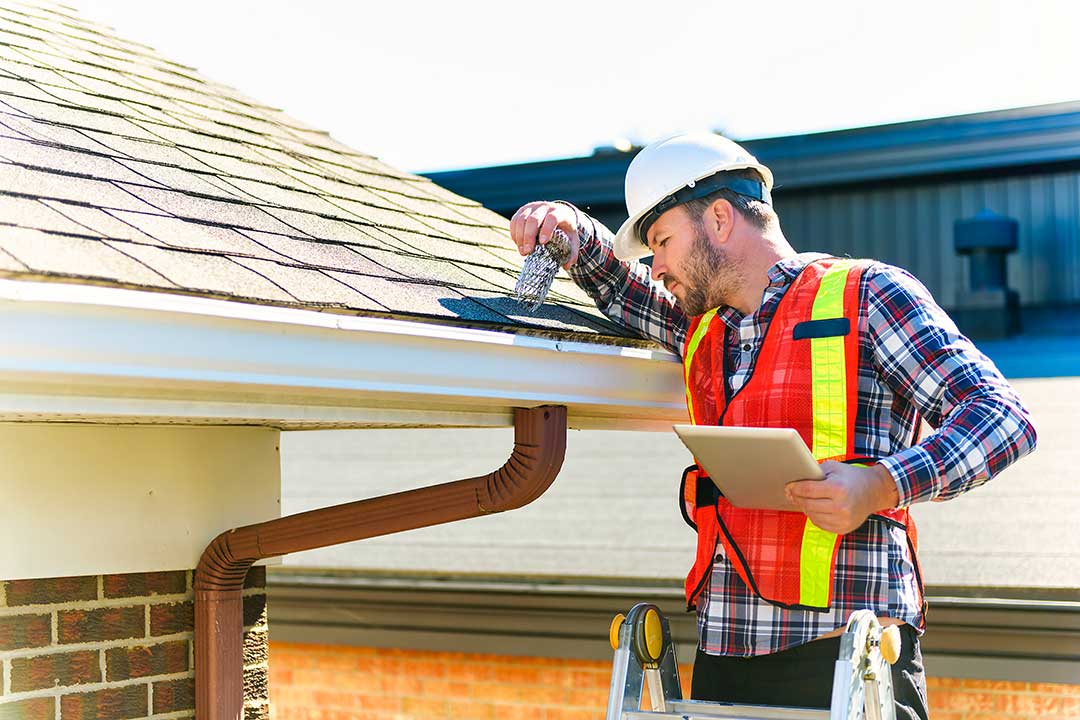
- Inspect attic and roof edges every season for gaps, chewed areas, or loose vents
- Install mesh screens over attic vents and chimney openings to deter nesting
- Keep gutters free from debris to discourage birds and rodents from taking up residence
- Promptly repair small damage before animals can widen the breach
Taking action before a full infestation develops is simpler and less expensive than dealing with extensive hidden damage later on.
When Is It Time to Seek Outside Help?
Safely addressing active nest sites or infestations may be hazardous, especially if animals are trapped or if droppings and waste have accumulated inside attics. Certain wildlife—such as bats and raccoons—can carry diseases or may resist removal, which sometimes requires legal or wildlife management advice. In these cases, involving the appropriate municipal or state wildlife agency may be necessary to ensure safe, humane, and lawful intervention.
Careful, regular attention to roof health throughout changing seasons helps prevent surprises and preserves the integrity of homes in South Glens Falls.
