

What Should You Do First If You Notice Water Leaking In?
The first step when finding a leak in your home is to stay calm and act quickly to prevent further damage. Begin by safely containing the water if possible, using buckets or towels under any active drips. Move furniture, electronics, and personal belongings out of harm’s way. If the leak is significant, switch off electricity to nearby outlets or fixtures as a safety precaution.
Where Are Leaks Most Likely to Start in South Glens Falls Homes?
In this region, common roof leak entry points reflect the mix of older homes, seasonal weather, and roofing styles found locally. Pay close attention to these areas:
- Roof valleys and intersections, especially where ice and snow accumulate during the winter
- Around chimneys, skylights, or attic vents
- Missing, damaged, or loose shingles (common after wind or heavy rain)
- Flashing near walls or roof edges
- Gutters blocked with pine needles or leaves from local trees
Neighborhoods with mature shade trees and historical homes may see unique challenges, such as buildup of organic debris in gutters or aging slate and asphalt roofs.
Can You Temporarily Stop a Leak Yourself?
You can often take basic, temporary steps to limit damage, but permanent repairs may require specialized knowledge. After safely containing active drips inside, consider placing a tarp over the suspected problem area on the roof only if you can do so without risking injury. Some residents apply roofing tape or sealant as a temporary fix for minor punctures or missing shingles, but avoid working on a wet or icy roof.
Inside, ventilate damp spaces and use fans or dehumidifiers to discourage mold, which is a challenge in the humid summers and during spring thaw in the city.
Is There a Health or Safety Risk?
Yes, uncontrolled leaks can pose several hazards beyond water stains:
- Mold spores thrive in damp insulation and wall cavities, increasing allergy and asthma risks for local families due to the region's damp seasons
- Structural wood can rot, weakening ceilings or attic floors
- Water near electrical fixtures or outlets may cause shorts or even fire risks
If water has reached an electric panel, ceiling light, or wall outlet, avoid the area and switch off power at the main breaker when it is safe, following local fire department recommendations.
When Should You Take Further Action Beyond Quick Cleanup?
If the source isn’t obvious, the leak continues after drying the interior, or you notice signs like peeling paint or ceiling bulges, further investigation is crucial. Undetected leaks can cause unseen wood rot or persistent mold, especially in the attics and crawlspaces common in South Glens Falls homes.
Check the attic for wet insulation, stained rafters, or pooling water. If weather or access prevents a safe inspection, document the situation with photos for your records. Make note of the leak’s location inside, any ongoing dripping, and weather conditions leading up to the discovery. These details can provide helpful context if seeking advice or reporting property damage.
What Causes Leaks to Worsen in the Local Climate?
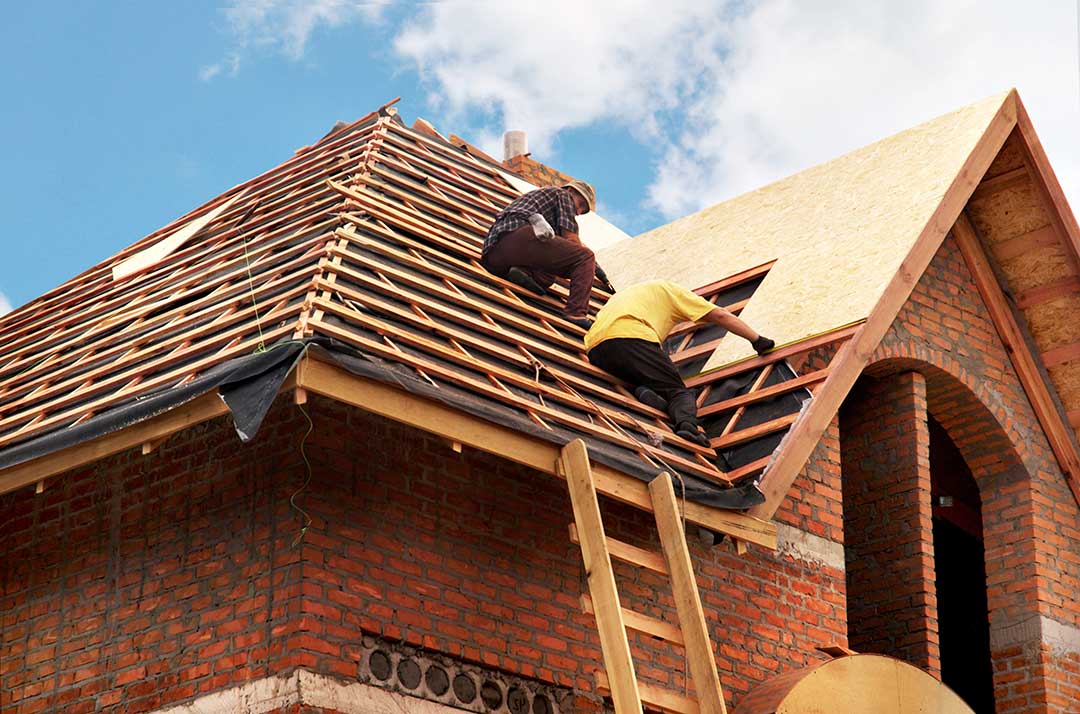
Freeze-thaw cycles, snow melt, and spring rain are a primary cause of worsening leaks. Water that enters through small gaps can freeze and expand, enlarging cracks—a common problem in older roofs in the region. Ice dams, which occur when snow melts and refreezes at the roof edge, prevent proper drainage and can force water under shingles. Blocked gutters, often from fallen leaves or pine needles, add to the risk, especially after an autumn storm.
How Should You Prevent Mold and Structural Damage?
After stopping immediate water entry, removing standing water and drying damp areas is key to protecting health and property. Open windows or use fans to improve airflow if outside temperatures permit, but avoid adding humidity during muggy upstate summers. Regularly check hidden areas—attics, behind drywall, under flooring—for musty odors or visible mold growth. If you notice persistent discoloration or a strong earthy smell, further drying or additional cleanup may be needed to avoid expensive repairs later.
What About Insurance and Documentation?
Homeowner’s insurance policies in South Glens Falls commonly cover sudden water damage from storms, but not issues caused by long-term neglect. Document the leak as soon as discovered:
- Take clear photos or video of the affected area and any visible roof problems
- List damaged possessions or building materials for your records
- Save receipts if you buy fans, tarps, or cleaning supplies
Prompt and detailed documentation can help smooth the process if you need to make an insurance claim later, especially after widespread weather events in the region.
Are There Misconceptions About Handling Leaks?
Some residents assume small drips can be left alone, hoping they’ll dry up between storms. Even minor seepage should always be inspected, as moisture can spread invisibly inside walls or insulation. Another common misconception is that all leaks originate directly above the visible stain—water may travel along beams before dripping miles from the source, especially in split-level or ranch-style homes common in the area.
What’s the Next Step for Area Households?
After initial containment and cleanup, the next steps depend on the size and cause of the leak. Monitor the area closely, especially after the next rain or snowmelt. Schedule routine roof and attic checks each spring and fall to spot signs of wear. Maintaining clear gutters and trimming back overhanging tree limbs can minimize leak risks that are specific to the climate and neighborhood layout.
If you identify major structural issues, widespread mold, or hazards near electrical sources, it’s most prudent to consult with a building inspector or reach out to relevant local health and safety resources for further direction. Community members in South Glens Falls benefit from being proactive—small steps can help preserve the character and value of local homes for years to come.
