
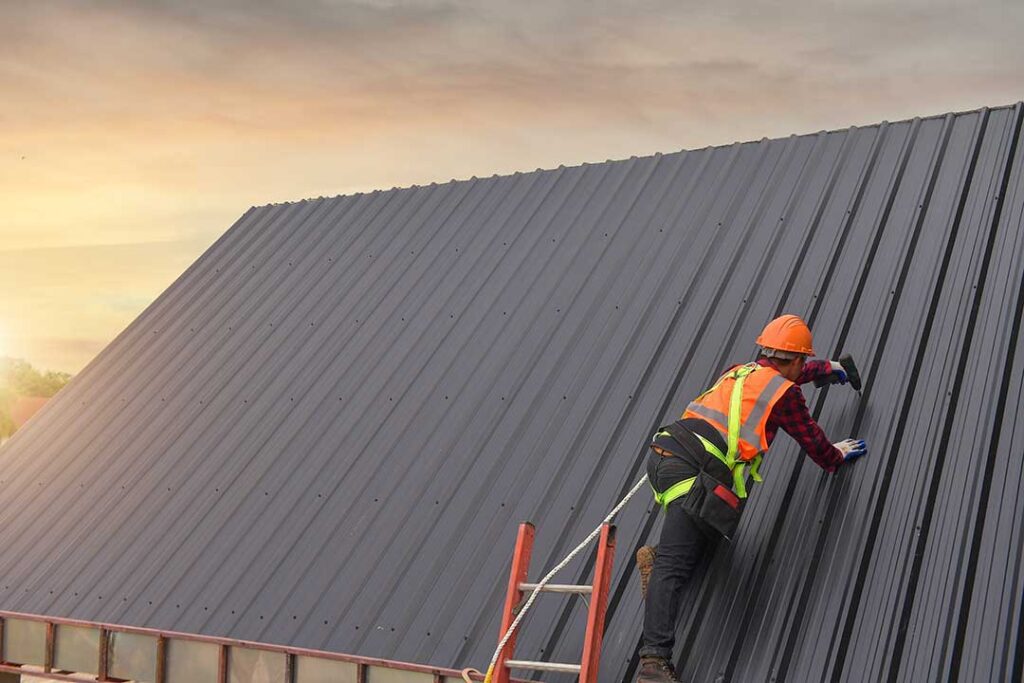
Why Is Fall Roof Maintenance Important in South Glens Falls, NY?
Cool autumn weather in South Glens Falls creates ideal conditions for inspecting and caring for roofs before winter. The region experiences fluctuating temperatures, frequent rain, and occasional early snow, all of which can worsen existing roof issues if left unchecked. Addressing roof needs in autumn not only helps prevent winter leaks and ice dams but also extends the lifespan of roofing materials commonly used in area homes.
What Should Be Checked on a Residential Roof in Fall?
A thorough fall inspection should focus on features that are most prone to seasonal stress:
- Shingles: Look for cracks, curling, missing pieces, or grit loss. Asphalt shingles, which many homes in the community use, can become brittle after hot summers and should be secure for winter.
- Flashing: Examine metal strips around chimneys, vents, and skylights for signs of rust, separation, or damage.
- Gutters and Downspouts: Ensure these are clear so that melting snow and fall rains drain properly, reducing the risk of foundation trouble or ice dams.
- Roof Valleys: These are common leak spots, especially when leaves gather and trap moisture.
Most residents can visually check their roof with binoculars from the ground or from a sturdy ladder if comfortable and confident doing so.
How Do Falling Leaves Affect Roof Health in the Community?
In neighborhoods with mature trees, falling leaves pile up on rooftops and in gutters each autumn. This organic matter soaks up rainwater and slows drainage, allowing mold and rot to take hold on shingles, soffits, and fascia boards.
- Leaves left on the roof surface over the winter can trap moisture and accelerate shingle deterioration.
- Full gutters overflow, sending water down siding and toward the foundation.
- Wet, heavy leaves can also freeze and become difficult or hazardous to remove if left too late.
Timely mid- and late-fall cleanings can prevent water-related roofing problems and are especially relevant for older homes and houses built beneath large shade trees common in residential areas.
Is Moss a Concern in South Glens Falls During Fall?
Moss and algae thrive in damp, shaded environments and may appear as green streaks or patches on north-facing roofs. South Glens Falls’s chilly, moist climate each autumn can encourage this growth, especially after rainy periods.
- Moss holds water against shingles, increasing freeze-thaw damage risk.
- Mild autumn days are suitable for gentle moss removal using a soft-bristle brush. Avoid power washing, which can harm shingles.
- Specialized roof cleaners can be applied on dry days, but always use products recommended by shingle manufacturers and avoid runoff into gardens or grass.
How Should Gutters Be Cleaned and Maintained for Fall?
Regular gutter care is a key part of autumn roof maintenance for local households. Clogged gutters and downspouts are a leading cause of ice dams, basement leaks, and siding rot after heavy rain or snowfall.
- Wear gloves to scoop out leaves, twigs, and debris. Rinse with a garden hose, checking for leaks or improper slope.
- Secure sagging gutter sections and ensure brackets are tightly fastened.
- Downspout extensions or splash blocks should direct water several feet away from foundations to protect basements and crawl spaces from seepage.
Many residents clear gutters after the bulk of leaves fall but before the first hard freeze.
What About Attic Ventilation and Insulation?
Proper attic airflow and insulation prevent many cold-weather roof problems linked to fall neglect. Inadequate ventilation allows heat to build up under the roof deck, resulting in ice dam formation and moisture buildup.
- Inspect attic vents for blockages from insulation, dust, or nesting animals.
- Check for wet insulation or signs of mold, particularly around eaves and valleys.
- Ensure insulation is evenly distributed and covers the entire attic floor, but does not block soffit vents. This balance keeps roof temperatures stable and prevents damage.
Many homes in South Glens Falls have older-style attics that benefit from periodic checks as part of seasonal home care.
What Roof Repairs Should Be Handled Immediately?
Some issues found during a fall inspection require prompt attention to avoid more complex and expensive repairs come winter.
Handle these issues without delay:
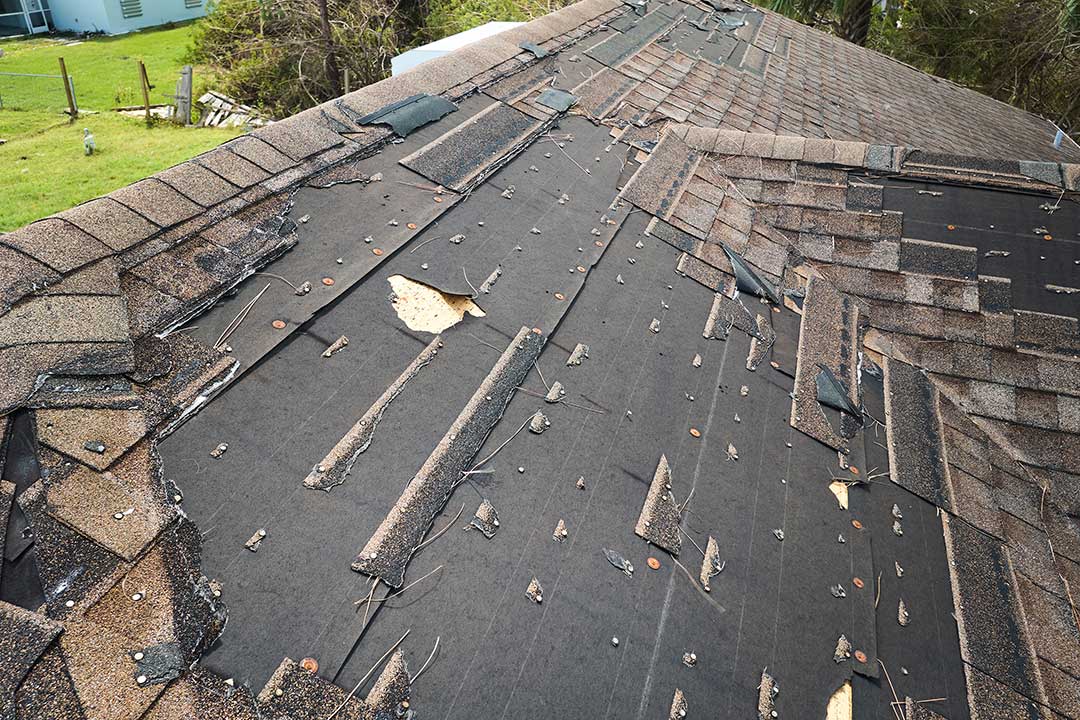
- Missing or torn shingles exposing underlayment.
- Significant flashing gaps or peeling at valleys and penetrations.
- Evidence of leaks in the attic (stains or dampness on rafters or insulation).
Repairing minor problems before snow and ice arrive can prevent them from developing into widespread water damage or structural issues.
Are There Common Mistakes Residents Make With Fall Roof Maintenance?
Several frequent oversights can reduce the impact of autumn roof care:
- Waiting too late in the season, leading to difficult or unsafe working conditions.
- Ignoring small leaks, assuming dry fall weather means no immediate danger.
- Using pressure washers or abrasive tools, which can worsen shingle wear.
- Placing heavy decorations or walking unnecessarily on roof surfaces, risking shingle displacement or damage.
Taking a cautious, gentle approach and addressing issues early often yields the best results for the region’s specific weather patterns.
When Should Safety Precautions Be a Priority?
Safety should guide all maintenance efforts, especially for steep, multi-story, or slippery roofs. Slippery leaves, wet moss, and loose granules raise the risk of falls, particularly after rain or during frosty mornings.
- Only use sturdy ladders on level ground.
- Avoid working alone.
- Never attempt repairs during high winds, icy conditions, or if the roof has extreme slopes.
In situations where climbing is unsafe or damage appears severe, further evaluation from someone with the right equipment and experience is justified for safety’s sake.
