
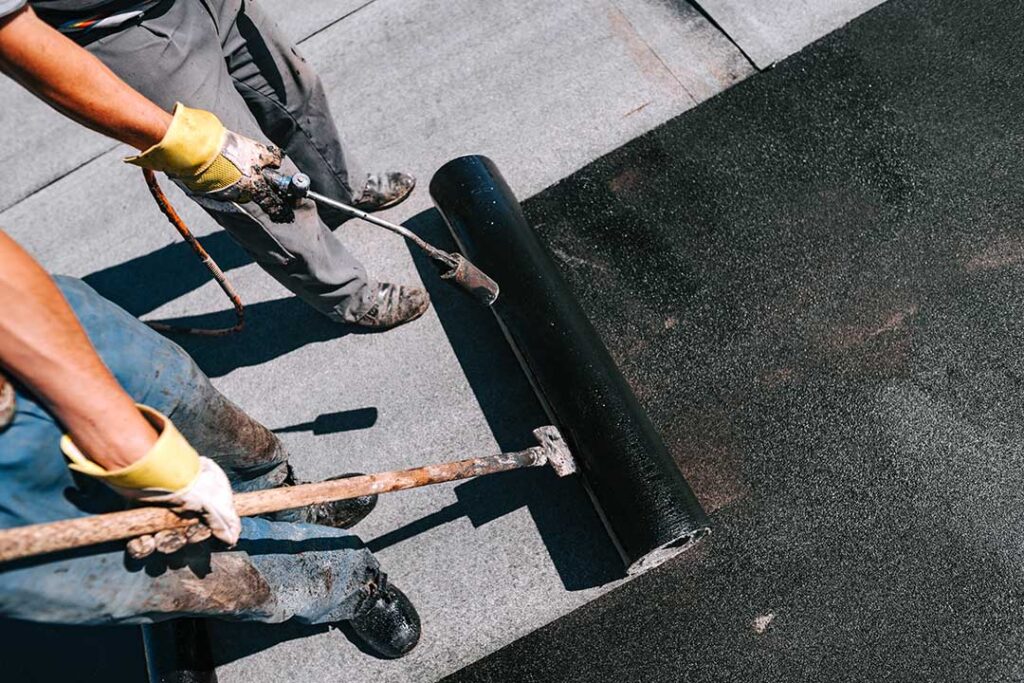
Roofing technology has changed well beyond new shingle colors. Advances in materials, ventilation, moisture detection, insulation, solar integration, and installation methods are giving homeowners more ways to manage winter weather, summer heat, storm damage, and long-term maintenance.
For residents of South Glens Falls, NY, the most useful innovations are those that address freeze-thaw cycles, snow accumulation, ice formation, wind, heavy rain, and the age of many local homes. New technology does not eliminate the need for sound design or routine inspections, but it can improve how a roof handles the conditions it faces.
Which roofing materials are changing residential construction?
Modern roofing materials are being designed for longer service life, improved weather resistance, and more consistent performance. The right choice still depends on roof slope, structural condition, ventilation, budget, and the surrounding environment.
Several developments are becoming more common:
- Impact-resistant shingles: These are manufactured to better tolerate hail, falling branches, and other impacts. They may be useful where storms or mature trees create added risk.
- Synthetic underlayments: These lightweight materials replace or supplement older felt products beneath the outer roof covering. They generally resist tearing and moisture exposure during installation.
- Polymer-modified materials: Some roofing products use engineered polymers to improve flexibility and durability during temperature changes.
- Metal roofing systems: Modern metal panels can be formed to resemble traditional roofing materials while providing strong resistance to snow, wind, and moisture when properly designed.
- Recycled-content products: Some shingles and roofing components include recycled materials, although environmental performance depends on manufacturing, service life, repairability, and disposal practices.
A product labeled “lifetime” does not mean the roof will never need maintenance. Service life is affected by ventilation, attic moisture, installation quality, tree cover, snow loads, and how quickly small problems are corrected.
How can roofing technology help with ice dams?
Roofing technology can reduce the conditions that contribute to ice dams, but no single product guarantees that ice dams will not form. The most effective approach combines attic insulation, air sealing, ventilation, and appropriate waterproof protection along vulnerable roof edges.
Ice dams develop when heat escaping from the living space warms part of the roof, causing snow to melt. The water then refreezes near colder eaves. Over time, trapped water may move beneath roofing materials and reach ceilings, walls, or insulation.
Useful improvements include:
- Continuous soffit-to-ridge ventilation: This helps move air through the attic and moderate roof-deck temperatures.
- Air-sealing materials: Sealing gaps around light fixtures, attic hatches, plumbing penetrations, and ductwork can reduce warm air leakage.
- Improved insulation systems: Adequate insulation limits heat transfer from the home into the attic.
- Self-adhering waterproof membranes: These are installed beneath the outer roof covering in areas vulnerable to wind-driven rain and ice-related leakage.
- Roof-temperature monitoring: Some advanced building systems use sensors to identify unusual heat patterns or moisture conditions.
Adding more roof vents without correcting air leaks or providing balanced intake ventilation may not solve the problem. In some cases, poorly planned ventilation can make attic performance less predictable.
Are solar shingles different from regular solar panels?
Yes. Solar shingles, sometimes called building-integrated photovoltaics, are designed to function as both a roof covering and an electricity-generating surface. Traditional solar panels are separate units mounted above an existing roof.
Solar shingles may provide a more uniform appearance, but they can be more complex to repair if part of the roof is damaged. Traditional panels may be easier to access, replace, or upgrade, but they add weight and mounting hardware to the roof structure.
Before considering any solar roofing system, homeowners should evaluate:
- The roof’s remaining service life
- Roof orientation and shading
- Structural capacity
- Electrical requirements
- Snow and ice exposure
- Access for future repairs
- Compatibility with backup batteries or other electrical equipment
Installing a new energy system on an aging roof can create avoidable complications. Roof condition should be assessed before the solar work begins, because removing and reinstalling equipment later may increase cost and disruption.
What role do sensors and smart roofing systems play?
Roof sensors are an emerging technology rather than a standard feature in most single-family homes. They can monitor conditions such as moisture, temperature, snow load, or membrane performance.
These systems are more common on large buildings, flat roofs, and properties where a leak could affect valuable equipment or occupied areas. For a typical house, a sensor may be helpful in a specific high-risk location, but it will not replace visual inspections.
Smart roofing technology can be useful for detecting:
- Moisture trapped beneath a roof membrane
- Unusual temperature differences
- Excessive snow accumulation
- Repeated condensation in an attic
- Changes that suggest a developing leak
The information needs to be interpreted carefully. A sensor may show that moisture exists, but it may not identify the exact source. Roof coverings, flashing, plumbing vents, attic condensation, and exterior wall details can all contribute to similar symptoms.
Can new roofing technology improve energy efficiency?
Roofing upgrades can improve comfort and energy use, but the roof is only one part of the building envelope. Insulation, air sealing, windows, siding, mechanical systems, and occupant habits also affect performance.
Reflective roofing materials can reduce heat absorption during sunny weather. This is often more valuable in hot climates or on low-slope roofs with significant sun exposure. In a cold-weather community, attic insulation and air sealing are usually more directly connected to winter comfort and ice-dam prevention.
Ventilation must also be properly balanced. Excessive ventilation is not automatically better, particularly if it allows wind-driven snow or rain to enter the attic. Intake and exhaust openings should work together, and the attic should be separated from the heated interior by a continuous air barrier.
What roofing innovations are most useful after storm damage?
Storm-resistant roofing systems now include stronger fastening patterns, improved flashing details, reinforced ridge components, and impact-resistant outer materials. These features can help a roof withstand wind and falling debris, but performance depends heavily on installation.
After a severe storm, warning signs may include:
- Missing or displaced shingles
- Exposed underlayment
- Bent or loosened flashing
- Granules collecting in gutters
- Cracked skylights or vent covers
- Water stains on ceilings or upper walls
- Sagging roof sections
- Blocked or damaged drainage paths
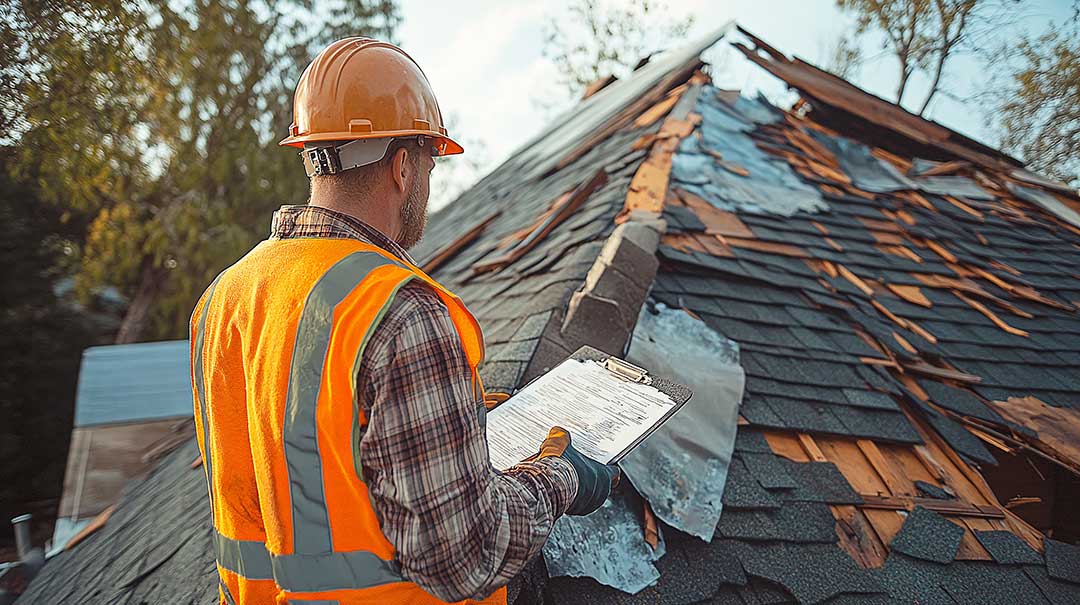
Some damage is difficult to see from the ground. Walking on a wet, icy, or damaged roof creates a fall hazard and can cause additional damage. A qualified inspection may be necessary when structural concerns, electrical equipment, active leaks, or unstable surfaces are involved.
Which innovations are practical for older homes?
For many older houses, the most valuable “new technology” is not a futuristic roof covering. It is better diagnosis and improved coordination between the roof, attic, insulation, and drainage system.
Practical upgrades may include:
- Moisture meters or infrared tools used during inspections
- Improved attic air sealing
- Updated ventilation design
- Modern waterproof underlayment
- More durable flashing around chimneys, walls, and penetrations
- Reinforced roof edges in wind-exposed areas
- Gutter and downspout improvements
- Materials selected for compatibility with the existing roof structure
A new roof installed over unresolved attic condensation or poor drainage may appear successful at first but develop problems later. Roofing technology works best when the entire roof assembly is treated as a connected system rather than a single visible layer.
For local households, the most dependable improvements are usually the ones that manage moisture, temperature changes, snow, and drainage over many seasons. Advanced materials can help, but careful design, proper ventilation, safe installation, and regular observation remain central to roof performance.
