
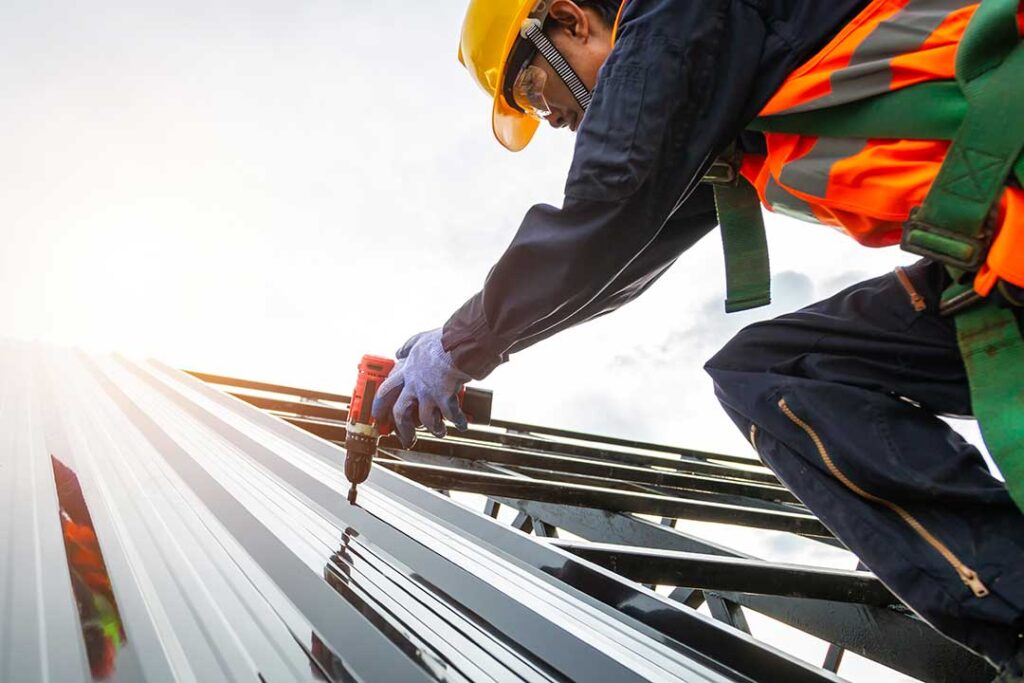
A typical asphalt-shingle roof lasts about 15 to 30 years, but the actual service life depends on the roofing material, installation quality, ventilation, maintenance, and weather exposure. In South Glens Falls, NY, repeated snow, ice, wind, freeze-thaw cycles, and summer heat can affect how quickly a roof ages.
A roof’s listed lifespan is a useful estimate, not a guarantee. Two roofs installed in the same year may reach the end of their practical lives at different times.
How long do common roofing materials last?
The roofing material is one of the biggest factors in expected service life.
- Basic asphalt shingles: approximately 15 to 20 years
- Architectural asphalt shingles: approximately 20 to 30 years
- Wood shingles or shakes: approximately 20 to 30 years with regular maintenance
- Metal roofing: approximately 40 to 70 years, depending on the system and corrosion protection
- Synthetic or composite roofing: approximately 30 to 50 years
- Slate or tile roofing: often 50 years or more, although the supporting structure and flashing may need attention sooner
Many homes in the area have asphalt shingles because they are adaptable to a wide range of roof designs and weather conditions. Within that category, heavier architectural shingles generally last longer than basic three-tab shingles, although the installation details and roof conditions still matter.
A material advertised as lasting 30 years does not necessarily remain problem-free for three decades. The rating usually assumes suitable installation, adequate ventilation, normal maintenance, and weather exposure within expected limits.
What shortens a roof’s life?
Several conditions can reduce a roof’s useful lifespan, even when the shingles themselves appear reasonably intact.
Poor attic ventilation is a common concern. During cold weather, warm air from the living space can move into the attic and contribute to condensation. During summer, trapped heat can accelerate shingle aging and place additional stress on roofing materials. Proper intake and exhaust ventilation helps moderate attic conditions.
Improper installation can cause premature failure around valleys, chimneys, plumbing penetrations, skylights, eaves, and roof edges. These areas depend on correctly installed flashing and underlayment. A roof may look sound from the ground while water is slowly entering at one of these details.
Heavy or repeated storm exposure also matters. Strong winds can lift shingle edges, hail can damage the surface, and fallen branches can puncture or scrape the roof. Snow and ice do not automatically destroy a roof, but recurring freeze-thaw movement can expose weak points.
Other factors include:
- Long-term moss or algae growth that keeps roofing materials damp
- Gutters that overflow onto roof edges
- Trees rubbing against shingles
- Debris collecting in valleys
- Walking on the roof unnecessarily
- Previous leaks that were patched without correcting the underlying cause
- Poor drainage or standing water on low-slope sections
How does South Glens Falls weather affect roof longevity?
Seasonal weather can be more significant than the calendar age of a roof. In South Glens Falls, winter snow and ice place additional weight on the roof system, while repeated freezing and thawing can move water into small cracks and openings.
Ice dams can form when heat escapes into a cold attic and melts snow on the warmer parts of the roof. The water may refreeze near the colder eaves, creating a dam that pushes moisture beneath shingles and into roof edges, insulation, or ceilings. Ice dams are not caused by shingles alone; attic insulation, air sealing, ventilation, roof geometry, and weather conditions all play a role.
Summer conditions also affect roofing. Dark shingles can become very hot in direct sunlight, and repeated heating and cooling may gradually make asphalt materials brittle. Wind exposure is another consideration, especially on homes with open roof sections or roof edges that receive little protection from surrounding structures.
The result is that a roof in this climate may show localized wear before the entire roof appears old. Valleys, north-facing slopes, eaves, and areas beneath overhanging trees often deserve closer attention.
What are the signs that a roof is nearing the end of its life?
Age alone does not determine whether a roof needs replacement, but several visible signs suggest that its remaining service life may be limited.
Look for:
- Shingles that are curling, cracking, blistering, or losing their surface granules
- Bald spots where the granular coating has worn away
- Missing or loose shingles after wind
- Sagging areas along the roof surface or ridge
- Damaged flashing around penetrations and roof transitions
- Granules accumulating in gutters or at downspout outlets
- Water stains on ceilings or upper walls
- Damp insulation, musty odors, or visible moisture in the attic
- Daylight visible through roof boards
- Repeated repairs in the same area
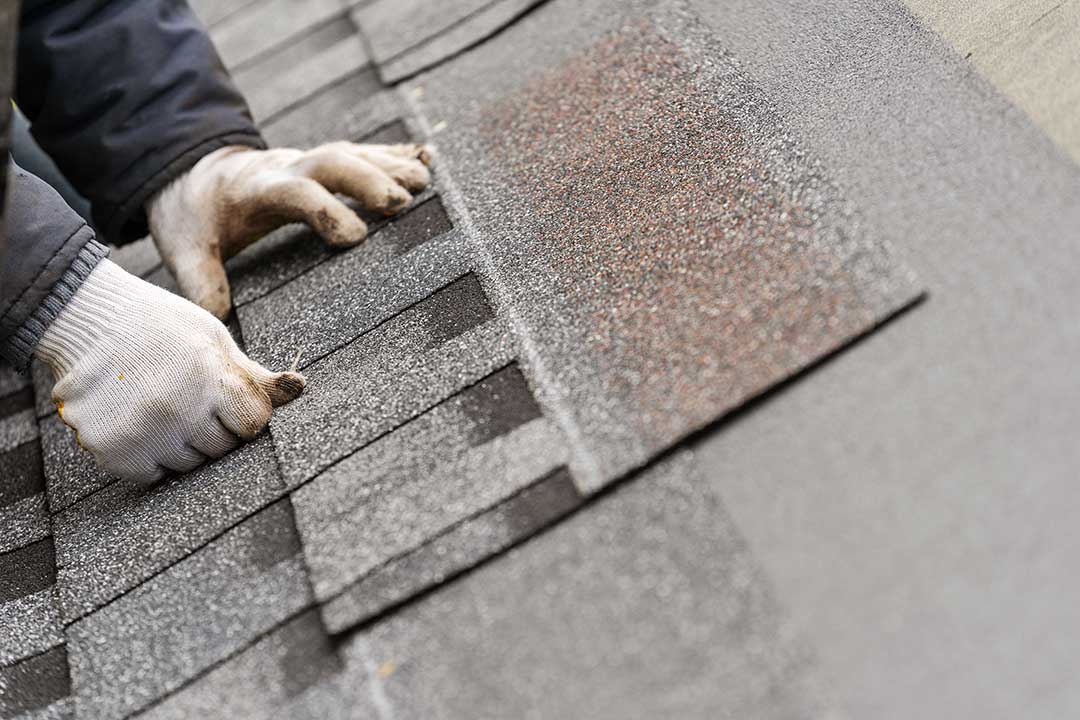
A few damaged shingles do not necessarily mean the entire roof has failed. Localized damage may be repairable, particularly when the rest of the roof is in good condition. By contrast, widespread granule loss, brittleness, distortion, or recurring leaks may indicate that the roof is approaching replacement age.
Does a roof need replacement when it reaches its expected age?
Not necessarily. A roof that is 20 years old may still be performing well, while a 10-year-old roof may have serious problems caused by storm damage, poor ventilation, or installation defects.
Age becomes more useful when combined with condition. A practical assessment considers:
1. The roofing material and its expected range
2. The roof’s visible condition
3. The history of leaks or repairs
4. Attic moisture and ventilation
5. Storm exposure and tree coverage
6. Whether flashing and drainage components remain sound
Homeowners should be cautious about relying only on appearance. Shingles can look acceptable from the yard while underlayment, flashing, decking, or roof edges have deteriorated. Attic inspection and examination of roof details can reveal problems that are not visible from the ground.
How can homeowners help a roof last longer?
Routine observation and basic maintenance can extend useful service life.
Keep gutters and downspouts clear so water moves away from the roof edge and foundation. Trim branches that contact the roof, and remove leaves or debris that remain in valleys. After major wind or hail, look for missing shingles, exposed underlayment, or metal flashing that has shifted.
Inside the attic, watch for damp insulation, condensation, mold-like growth, or darkened wood. Bathroom and kitchen exhaust should discharge outdoors rather than into the attic. Warm, moist air entering the attic can contribute to winter condensation and roof deterioration.
Avoid pressure washing shingles or applying harsh treatments without understanding the material. These practices can remove protective granules or damage the surface. Snow removal from a roof also requires caution because improper tools or walking can damage shingles and create fall hazards.
When is a roof problem urgent?
Some conditions should be addressed promptly because they can lead to interior damage or create a safety hazard.
Urgent warning signs include active water entering the home, a large sagging area, extensive storm damage, exposed roof decking, major flashing failure, or a tree limb resting on the roof. Electrical fixtures near water stains require particular caution because moisture can create an electrical risk.
A small ceiling stain may come from a leak that began well above the visible mark. Containing interior water with a bucket can limit short-term damage, but it does not identify or correct the entry point. Roof work is hazardous during snow, ice, high winds, or wet conditions, so safety should take priority over a quick inspection.
For most households, the most useful approach is to track the roof’s installation date, note repairs and storm events, inspect the attic periodically, and evaluate condition before minor defects become larger seasonal problems.
