
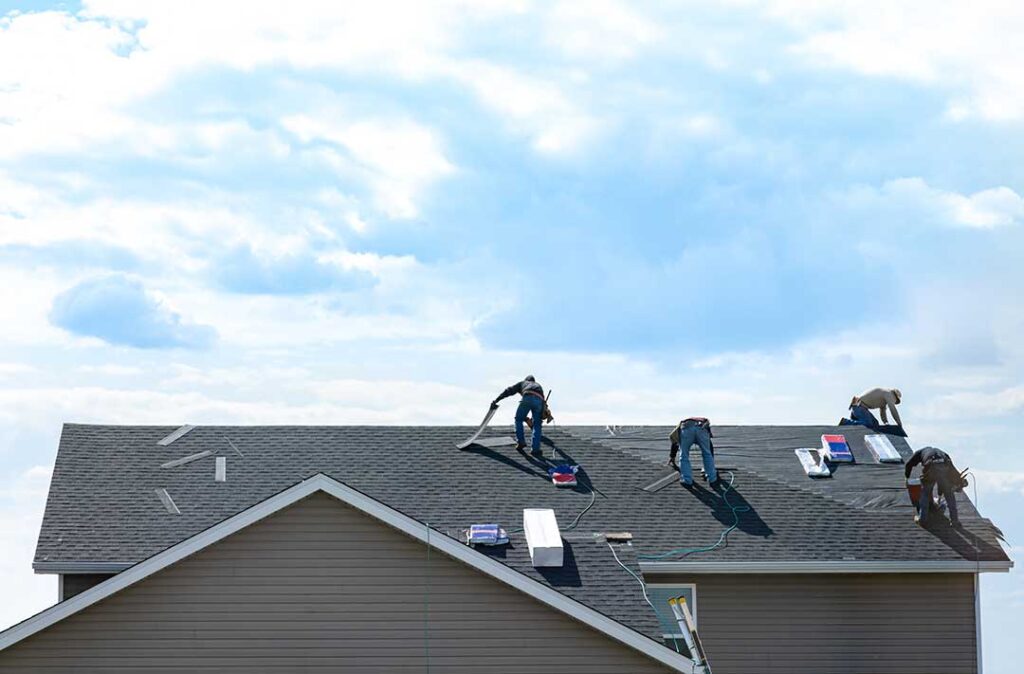
Seasonal roof maintenance is mainly about finding small problems before weather turns them into leaks, interior damage, or expensive structural repairs. In South Glens Falls, NY, roofs must handle snow, ice, wind, heavy rain, freeze-thaw cycles, falling leaves, and summer heat, so each season calls for a slightly different inspection routine.
What should homeowners check in spring?
Spring is the best time to look for damage caused by winter weather. Inspect the roof, gutters, attic, and upper floors after snow and ice have cleared.
Look for:
- Missing, cracked, curled, or loose shingles
- Exposed fasteners or sections where roofing material appears lifted
- Bent or damaged flashing around chimneys, vents, skylights, and roof edges
- Sagging areas along the roofline
- Granules collecting heavily in gutters or at the base of downspouts
- Water stains on ceilings, upper walls, or attic framing
- Damp insulation, musty odors, or visible mold in the attic
A roof does not need to collapse or show an active drip to have sustained winter damage. Small openings around flashing may allow water to enter only during wind-driven rain or melting snow, making them easy to overlook.
Check the attic on a dry day and again after rainfall if possible. Darkened wood, rusted nails, or damp insulation can indicate a leak that has not yet reached the finished ceiling.
How should gutters and drainage be handled in spring?
Gutters should direct water away from the roof edge, siding, foundation, and walkways. Clear out leaves, roof granules, twigs, and compacted debris, then check whether water flows freely through each downspout.
Make sure:
- Gutters are securely attached and not pulling away from the fascia
- Downspouts discharge water several feet away from the foundation when practical
- Elbows and underground extensions are not blocked
- Water is not spilling over one section during rainfall
- Ice or snow has not bent the gutter line
A gutter that overflows near one corner of the house may indicate a blockage, poor slope, or a damaged section. Repeated overflow can contribute to basement moisture, soil erosion, siding stains, and rot near the roof edge.
What roof maintenance is useful during summer?
Summer is a good time for a closer visual inspection because the roof is usually free of snow and ice. Shingles may show heat-related aging, while sealants and flashing can become brittle after repeated temperature changes.
Inspect for:
- Blistering, splitting, or severe granule loss
- Exposed underlayment or wood
- Loose pipe collars around plumbing vents
- Cracked caulk or deteriorated sealant
- Tree limbs touching or scraping the roof
- Moss or algae holding moisture against the roofing surface
Do not assume that every dark streak is a serious roofing defect. Algae staining can be mostly cosmetic, while moss is more concerning because its roots and retained moisture can loosen roofing materials over time.
Tree growth deserves attention during summer as well. Branches that appear safely away from the roof in dry weather may bend onto it during a storm. Dead limbs above the roof can cause sudden damage even when the roofing system is otherwise sound.
Roof work during hot weather also carries a safety risk. Shingles and roof surfaces can become extremely hot, and steep or wet areas are hazardous. Ground-level inspection with binoculars is often safer than climbing.
What should be done before autumn leaves fall?
Late summer and early fall are useful for preparing the roof and drainage system before the wettest and coldest part of the year. The goal is to remove preventable sources of blockage and identify weak areas before snow arrives.
Before leaves accumulate:
- Trim branches that overhang or contact the roof
- Inspect the flashing around roof penetrations
- Check attic insulation and ventilation for obvious gaps or blocked pathways
- Secure loose exterior items that could strike the roof during wind
- Confirm that downspouts and extensions are firmly connected
- Plan for safe gutter cleaning after most leaves have fallen
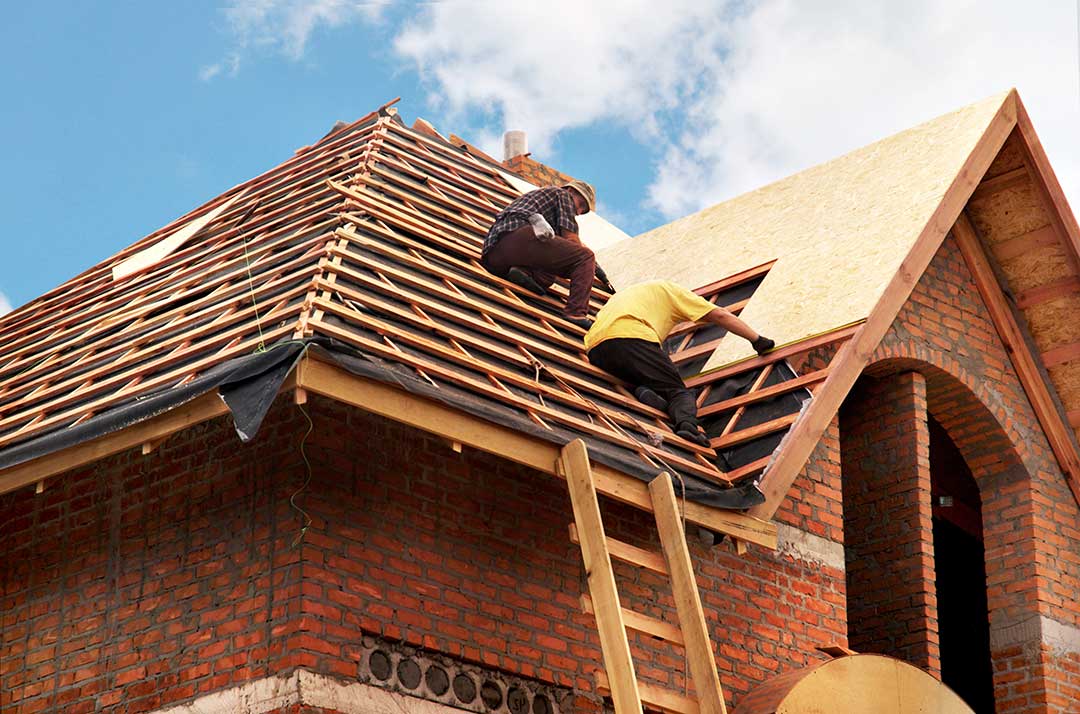
Roof ventilation is often misunderstood. It is not meant to heat the attic in winter; its purpose is to help manage moisture and maintain more consistent roof temperatures. Inadequate insulation or blocked soffit ventilation can allow warm indoor air to heat portions of the roof, increasing the risk of uneven snow melt and ice dams.
Adding vents without addressing air leakage from the living space can produce limited results. Bathroom fans, recessed lights, attic hatches, and ductwork should not release warm, moist air into the attic.
How can homeowners prepare for snow and ice?
Before winter, inspect the roof from the ground for sagging, uneven lines, damaged shingles, or areas where snow tends to collect. Pay special attention to roof valleys, lower roof sections, and places beneath upper-level slopes.
During the winter season:
- Keep gutters and downspouts clear of snow and ice when it can be done safely
- Watch for large, uneven snow buildup or pronounced sagging
- Look for ice dams along the lower roof edges
- Monitor ceilings and upper walls after thawing weather
- Keep attic access available for leak checks
Ice dams form when snow melts on warmer portions of the roof and refreezes near colder eaves. The resulting ice can block drainage and allow water to move beneath roofing materials. They are more likely during repeated freeze-thaw cycles, especially when attic insulation and ventilation are uneven.
A roof rake used from the ground may help remove limited snow from accessible roof edges, but scraping, chopping, or walking on an icy roof can damage shingles and create a serious fall hazard. Do not use salt or ice-melting chemicals on roofing materials, gutters, plants, or siding unless the product is specifically approved for that use.
How often should a roof be inspected?
A practical schedule is to perform a visual check in spring and fall, with additional inspections after major wind, hail, heavy snow, or ice events. Homes with mature trees, older roofing, steep rooflines, attached porches, or repeated ice-dam problems may need more frequent monitoring.
A professional inspection is warranted when there is active leaking, structural sagging, extensive storm damage, widespread shingle loss, suspected rot, or a roof surface that cannot be assessed safely from the ground. Electrical hazards, unstable ladders, steep pitches, and ice-covered surfaces are not appropriate conditions for do-it-yourself inspection.
What signs require prompt attention?
Some roof problems should not wait for the next seasonal checklist. Prompt action is appropriate when there is:
- Water entering during rain or thawing
- A ceiling stain that is growing or soft to the touch
- Visible daylight through the roof deck
- A large area of missing roofing material
- A sagging roofline
- Heavy ice buildup combined with interior moisture
- Damaged flashing around a chimney, vent, or skylight
- Wet attic insulation or active dripping
Routine maintenance cannot prevent every roofing problem, but it can reveal changes early. Recording the date of inspections and photographing concerning areas from a safe location can also help track whether a condition is stable or worsening.
